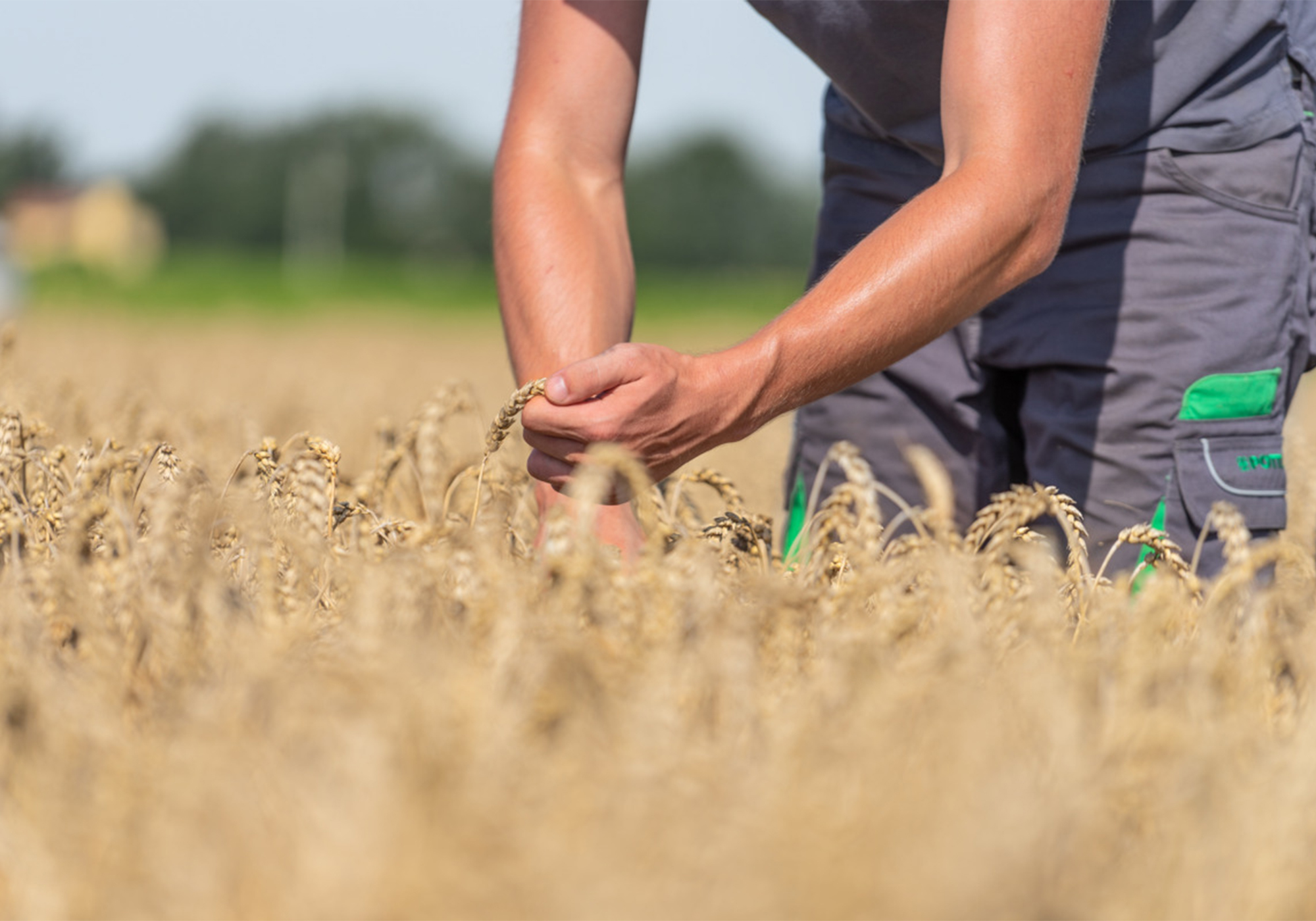
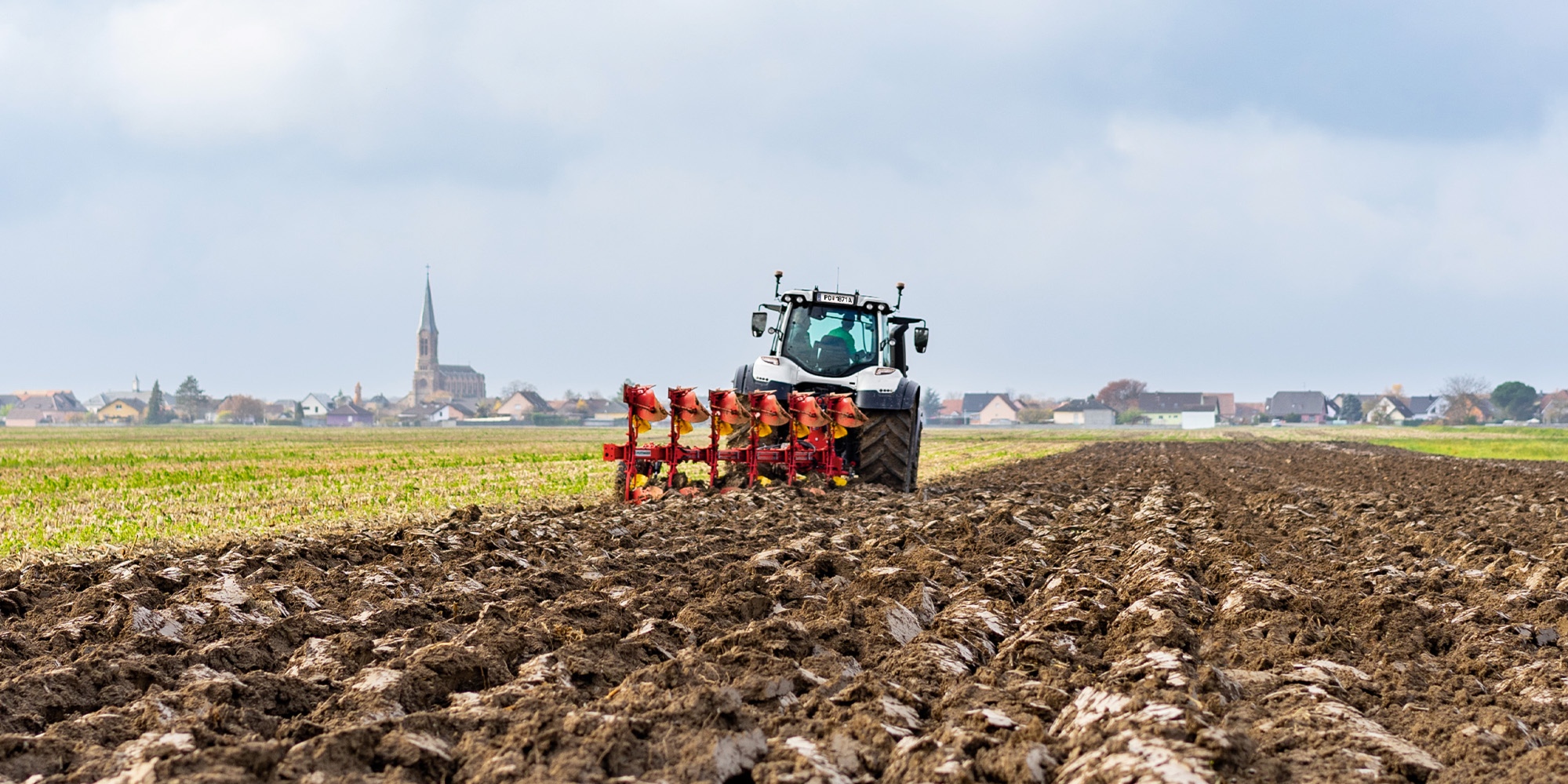
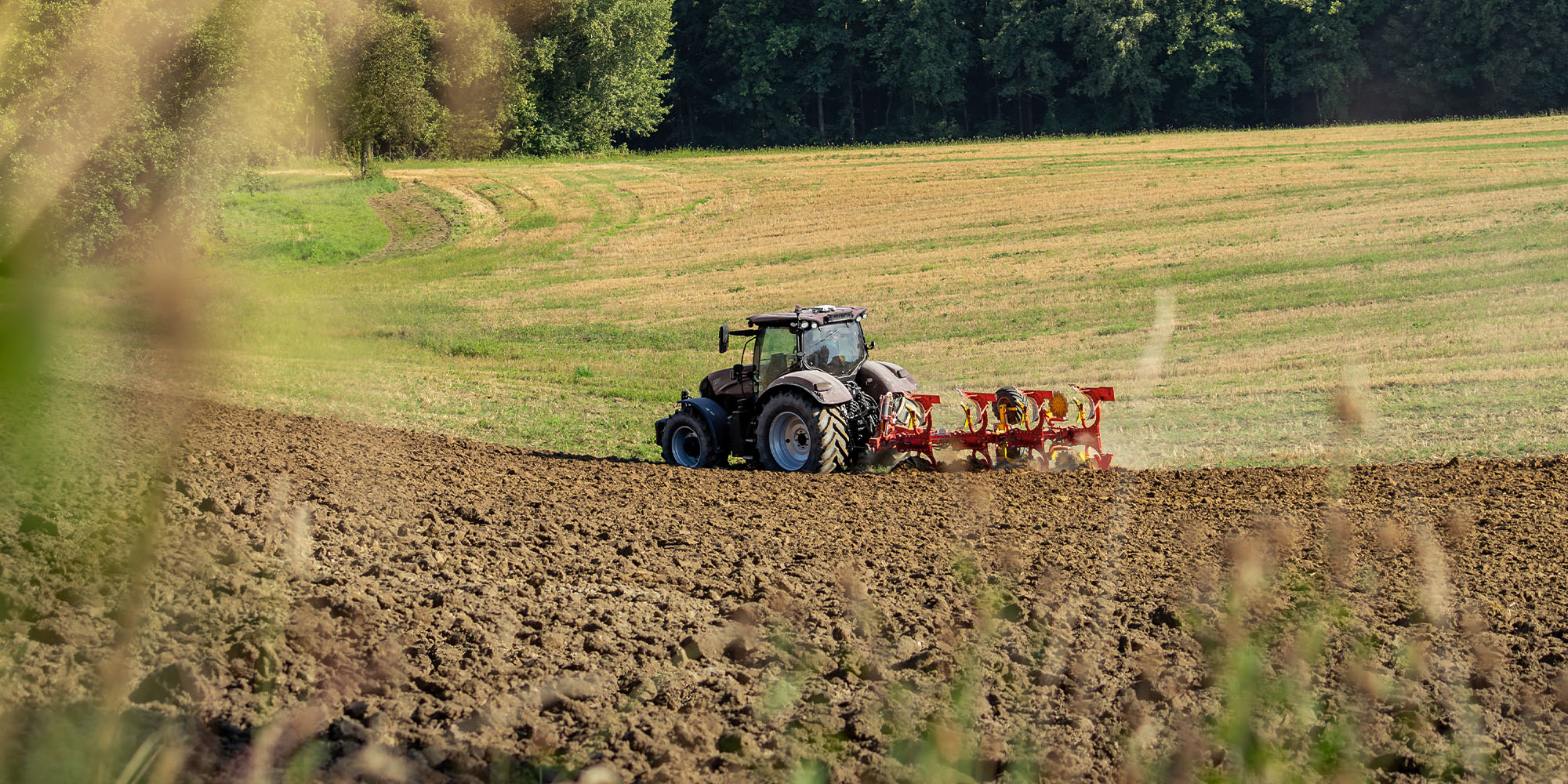
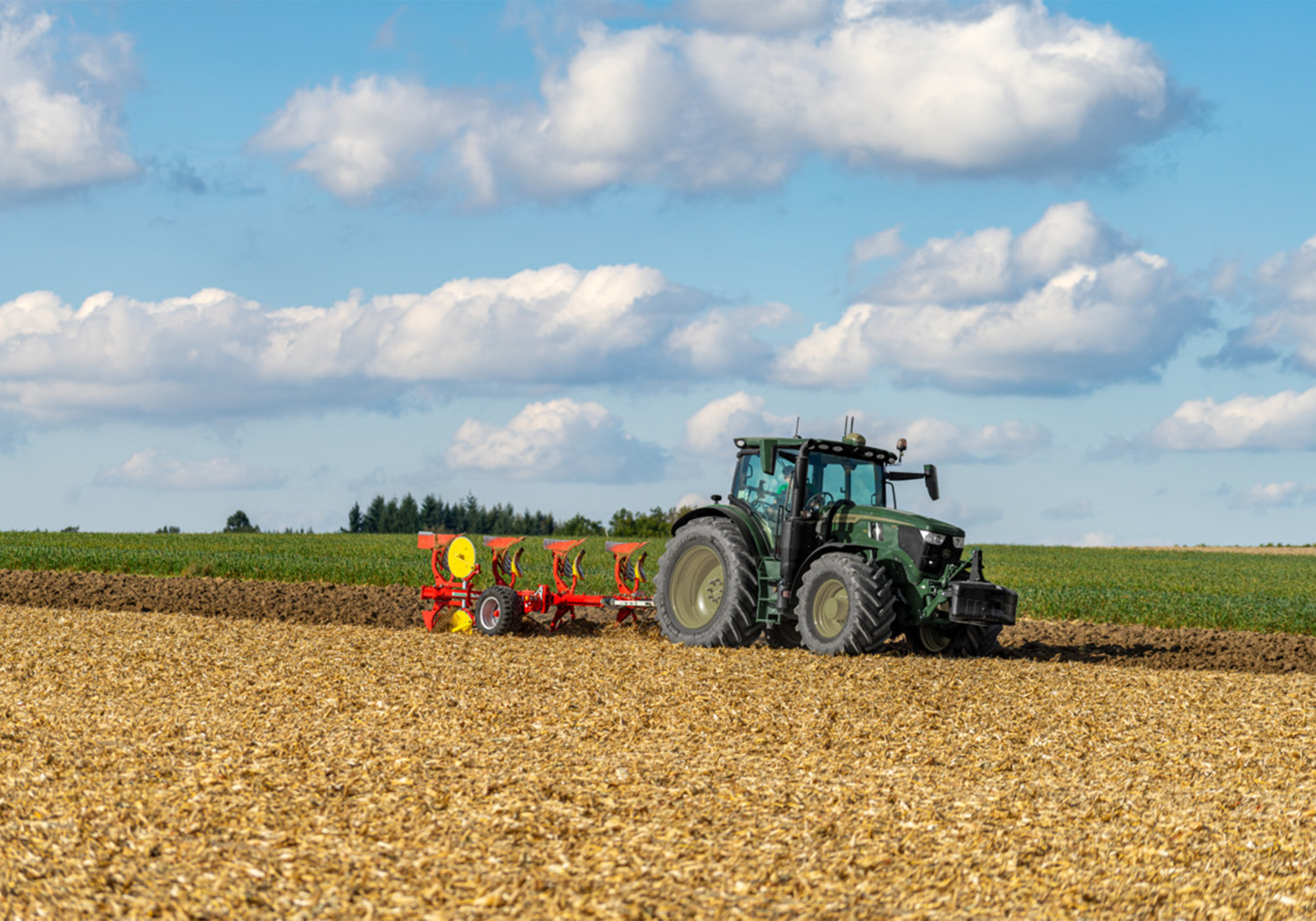
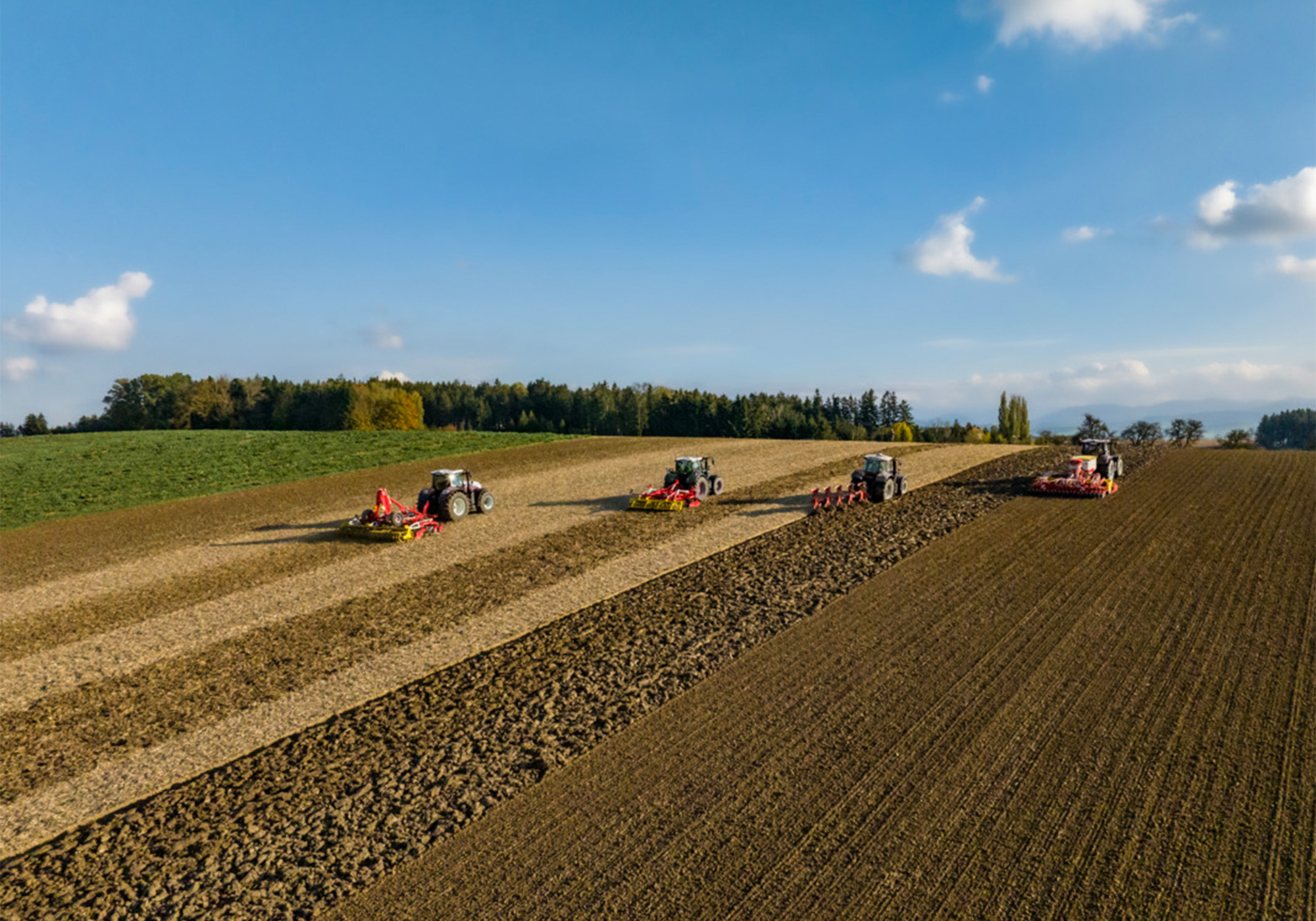
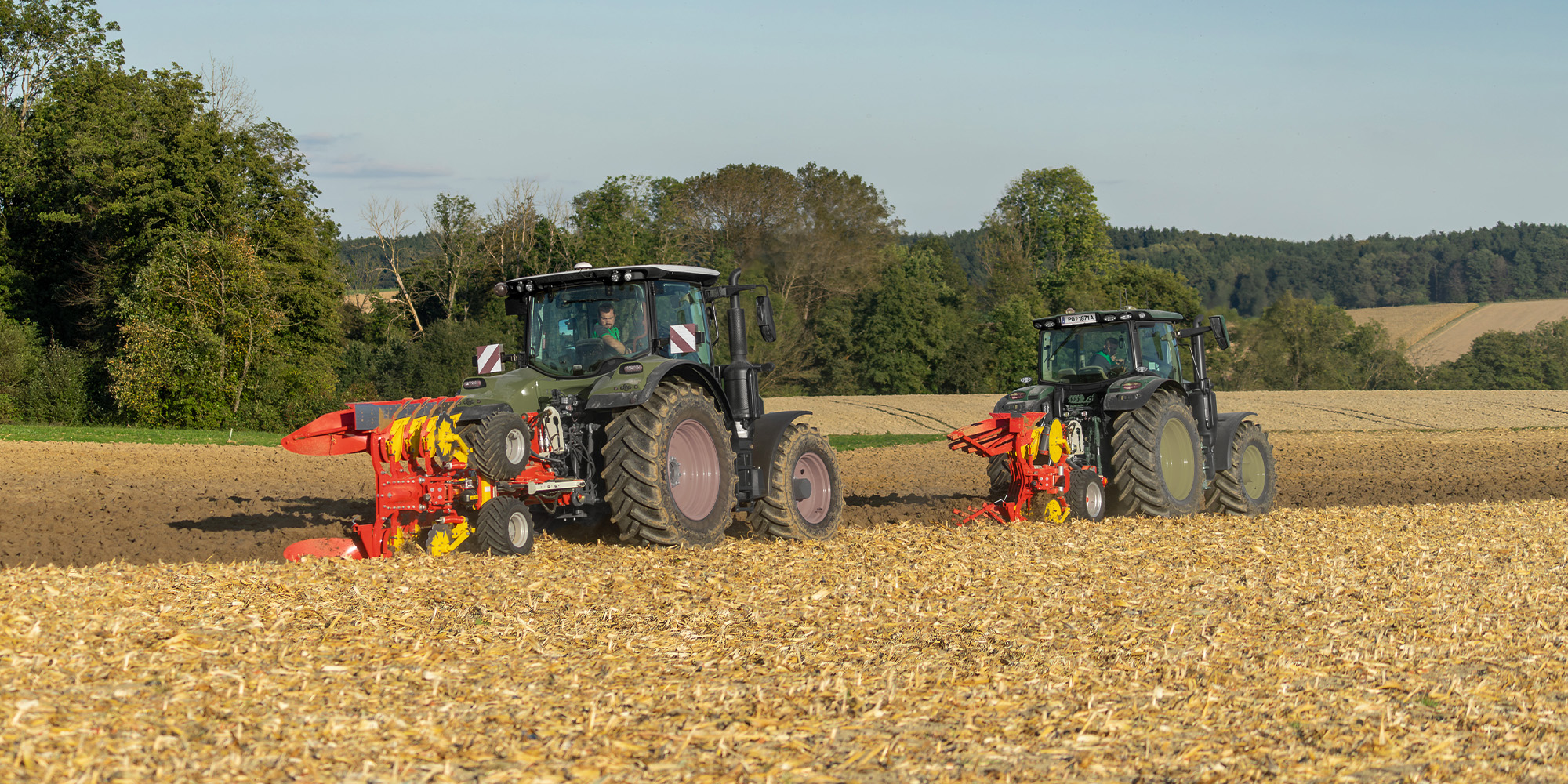
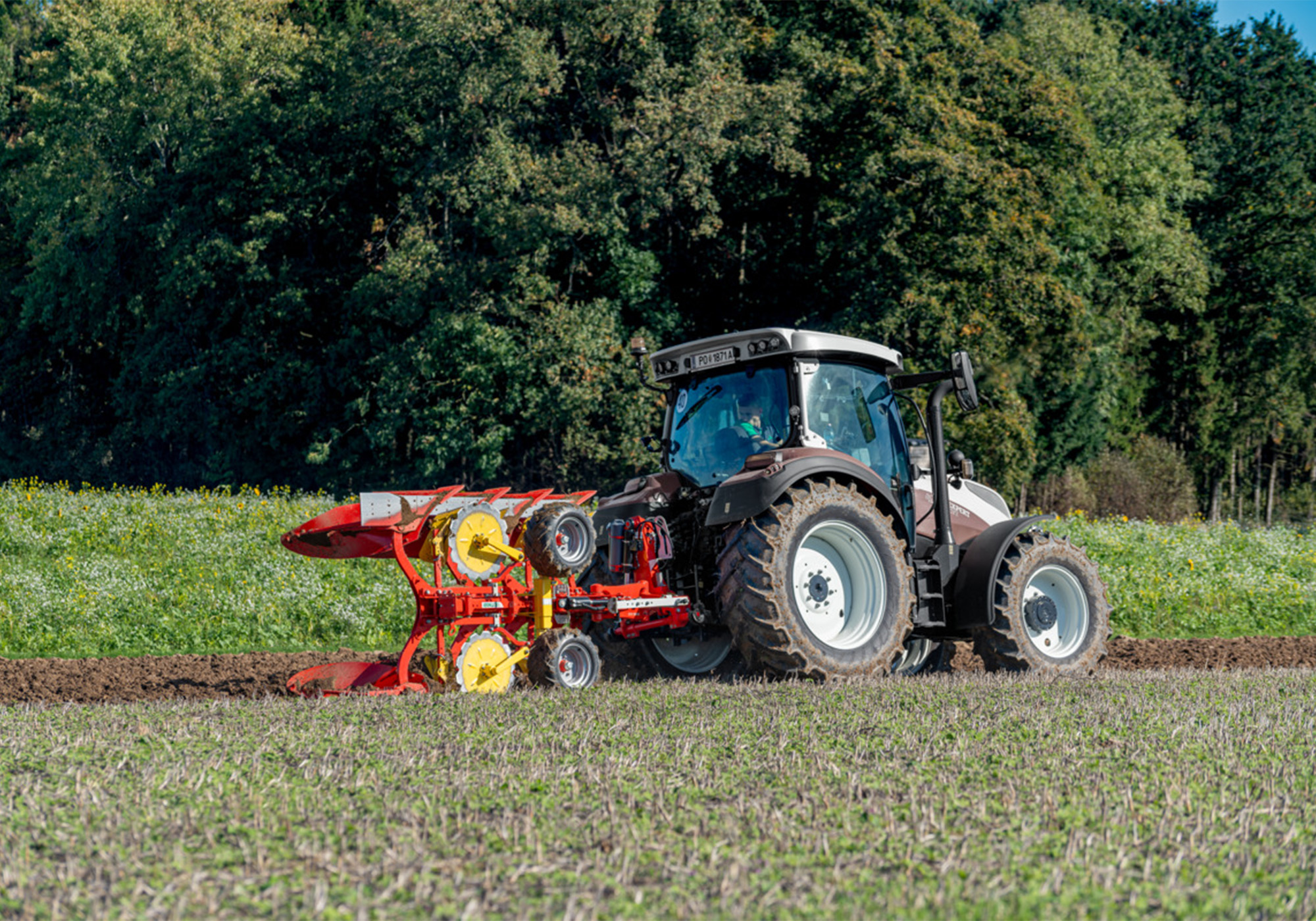
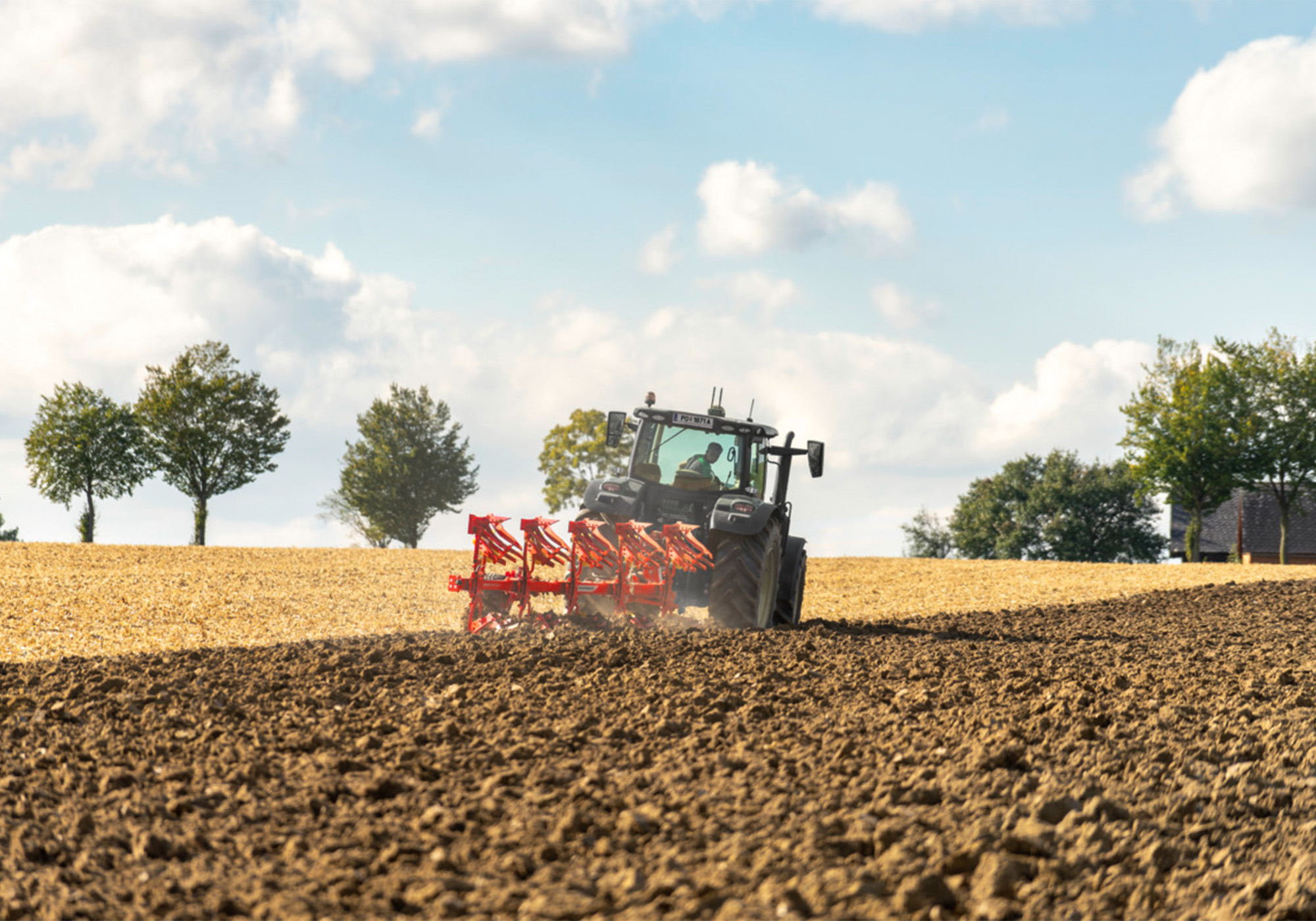
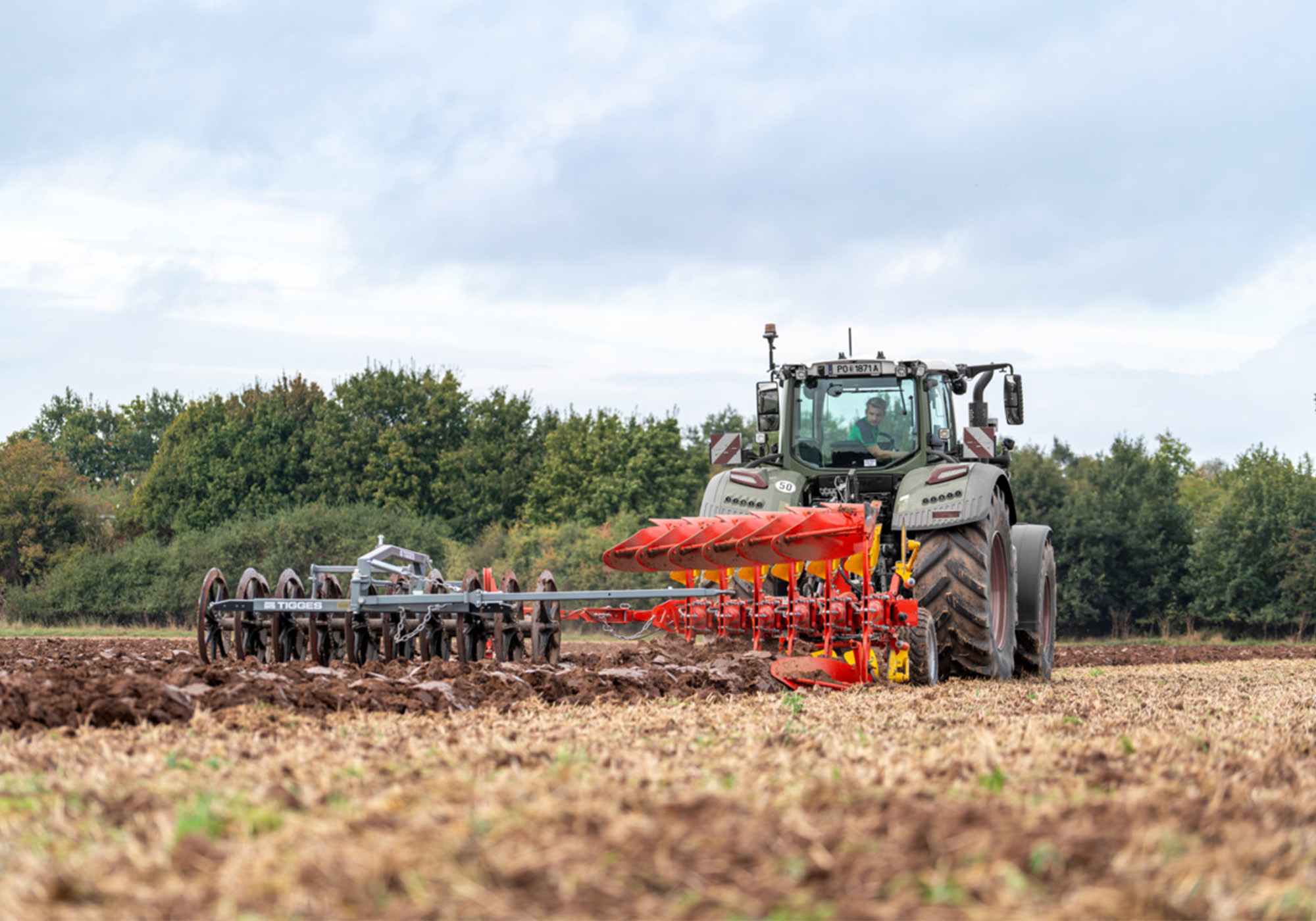
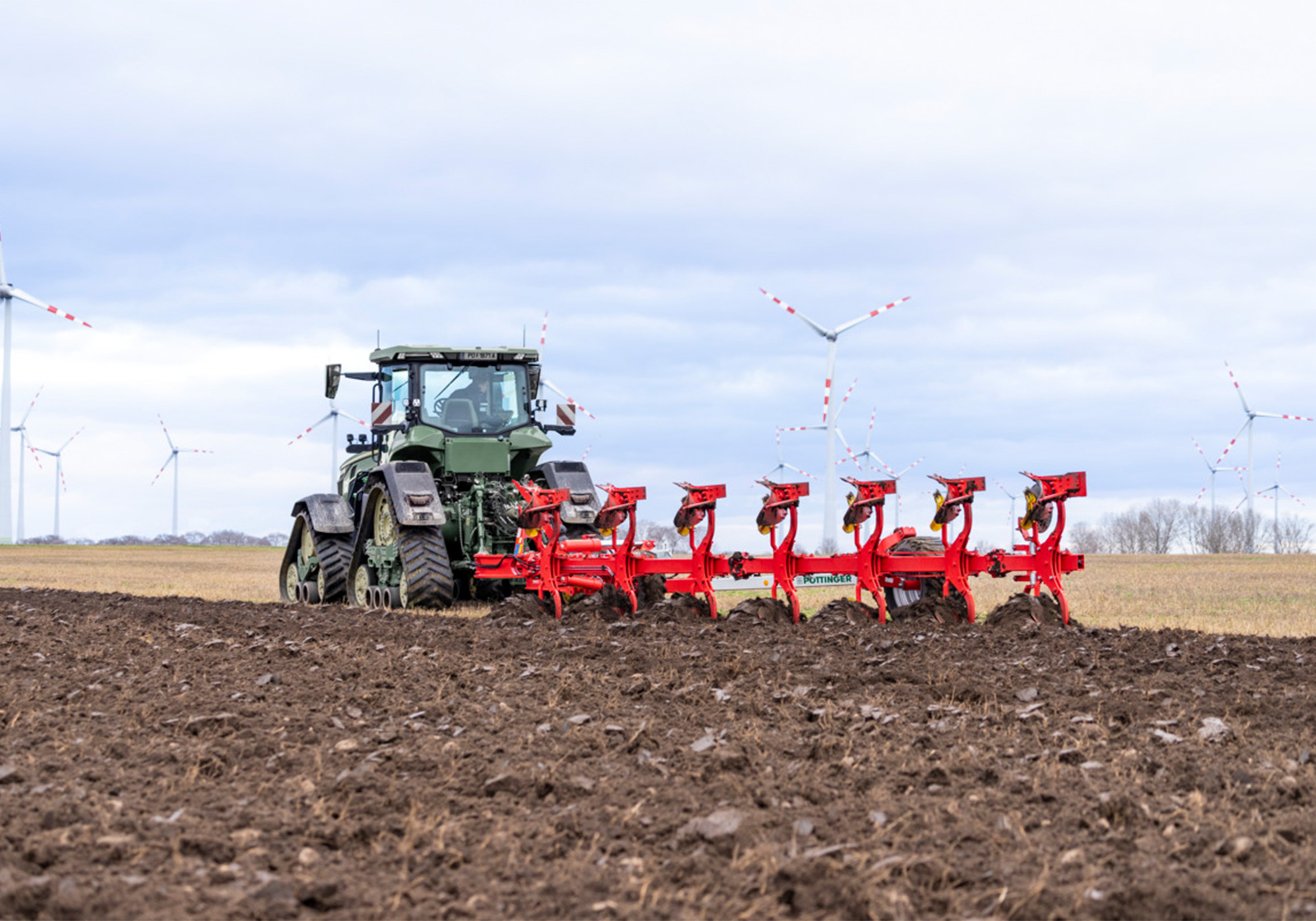
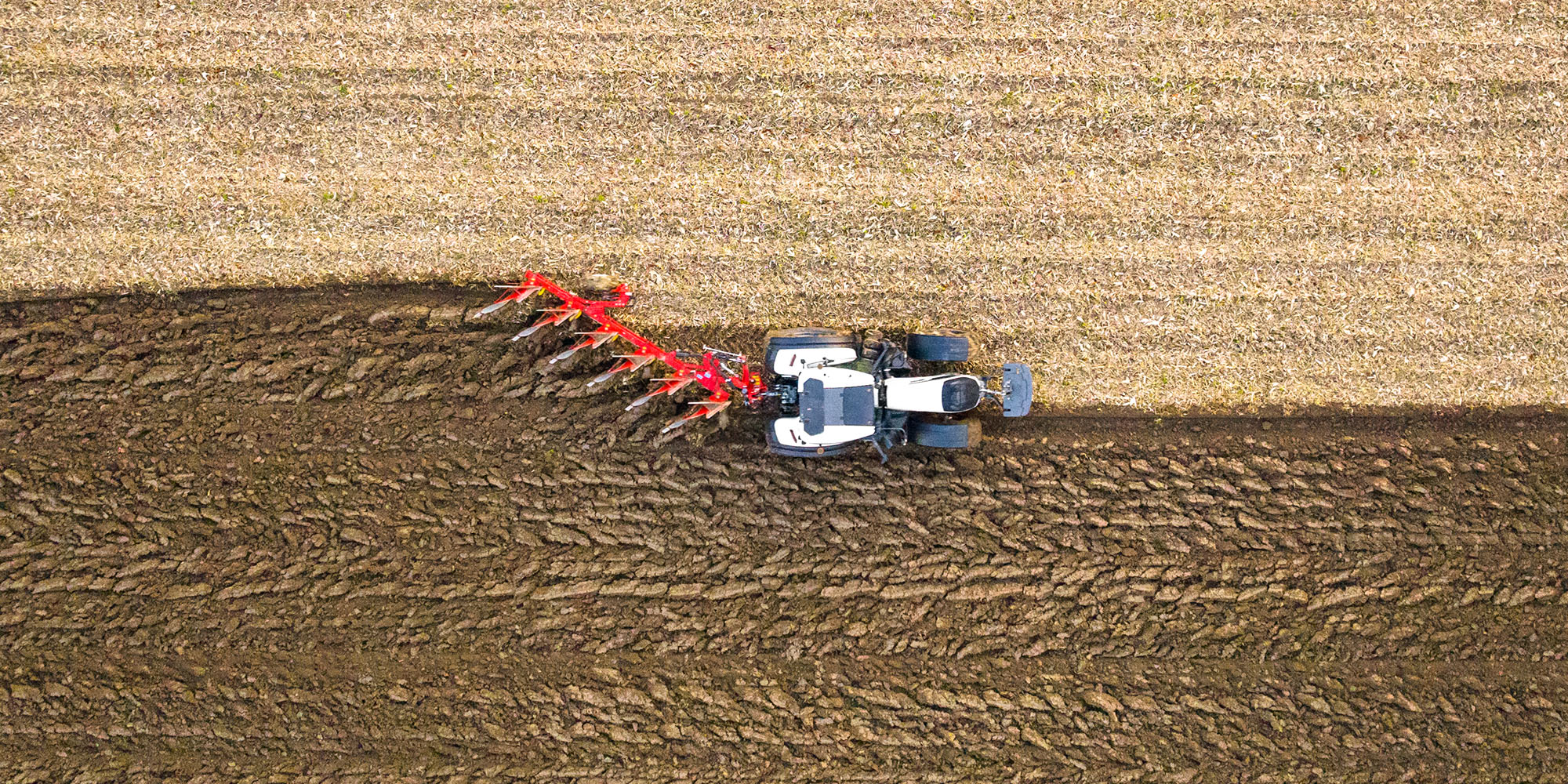
In modern agriculture, there are various soil preparation systems available - from direct drilling and mulch drilling to traditional primary tillage using a plough. Each method has its justification and is useful in specific conditions. It has been shown, however, that ploughing provides the most reliable basis for stable yields in many situations.
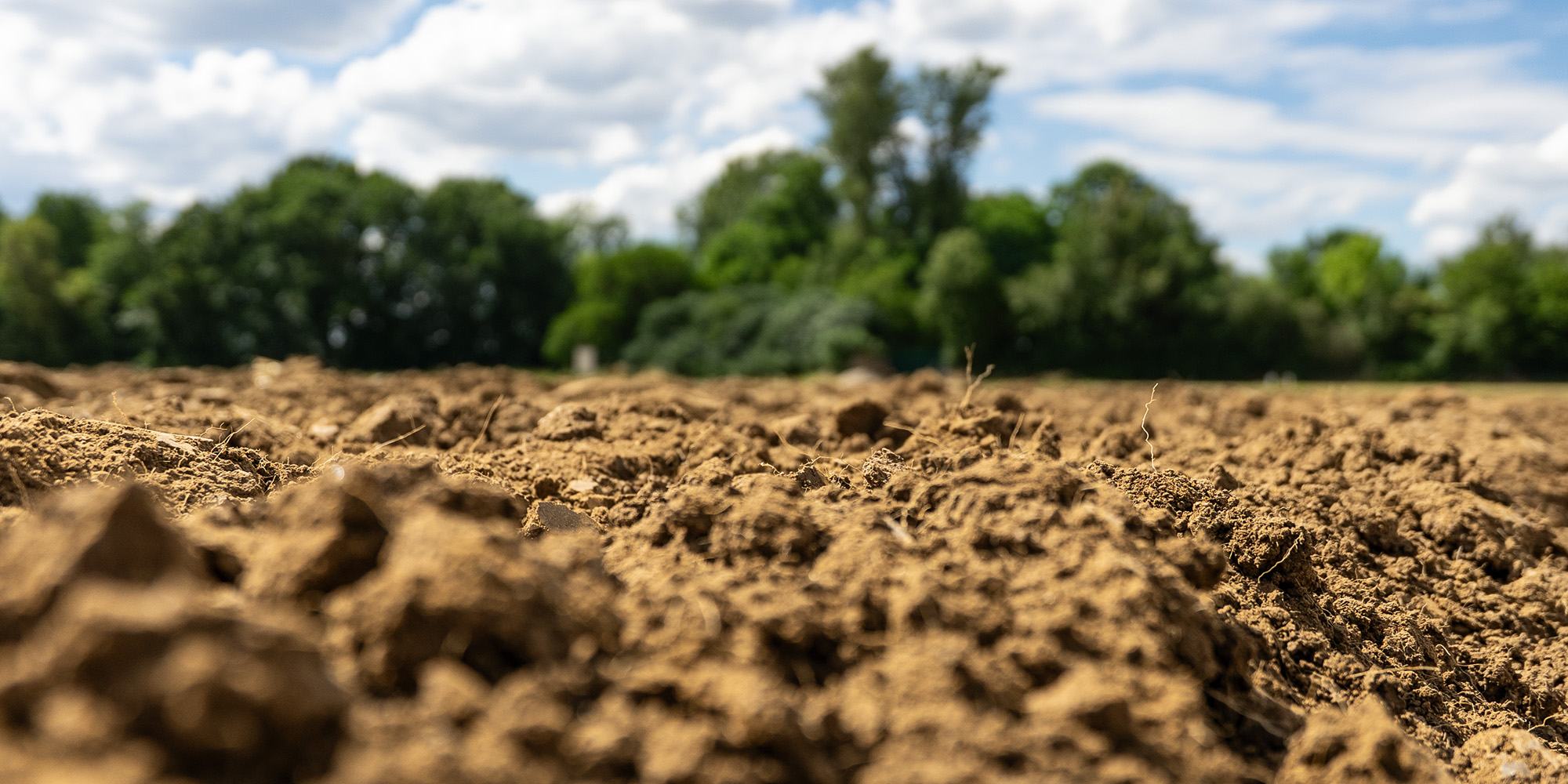
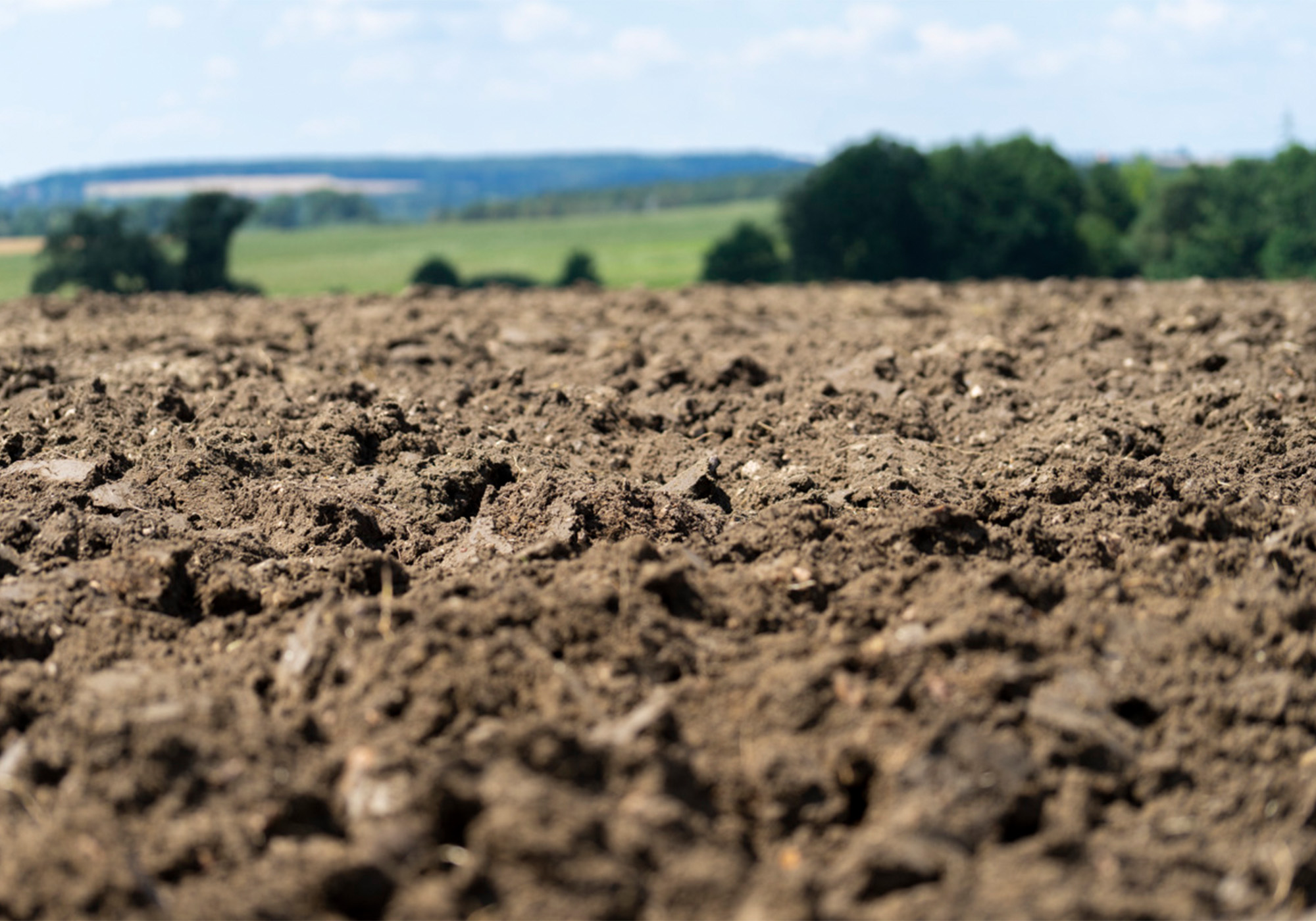
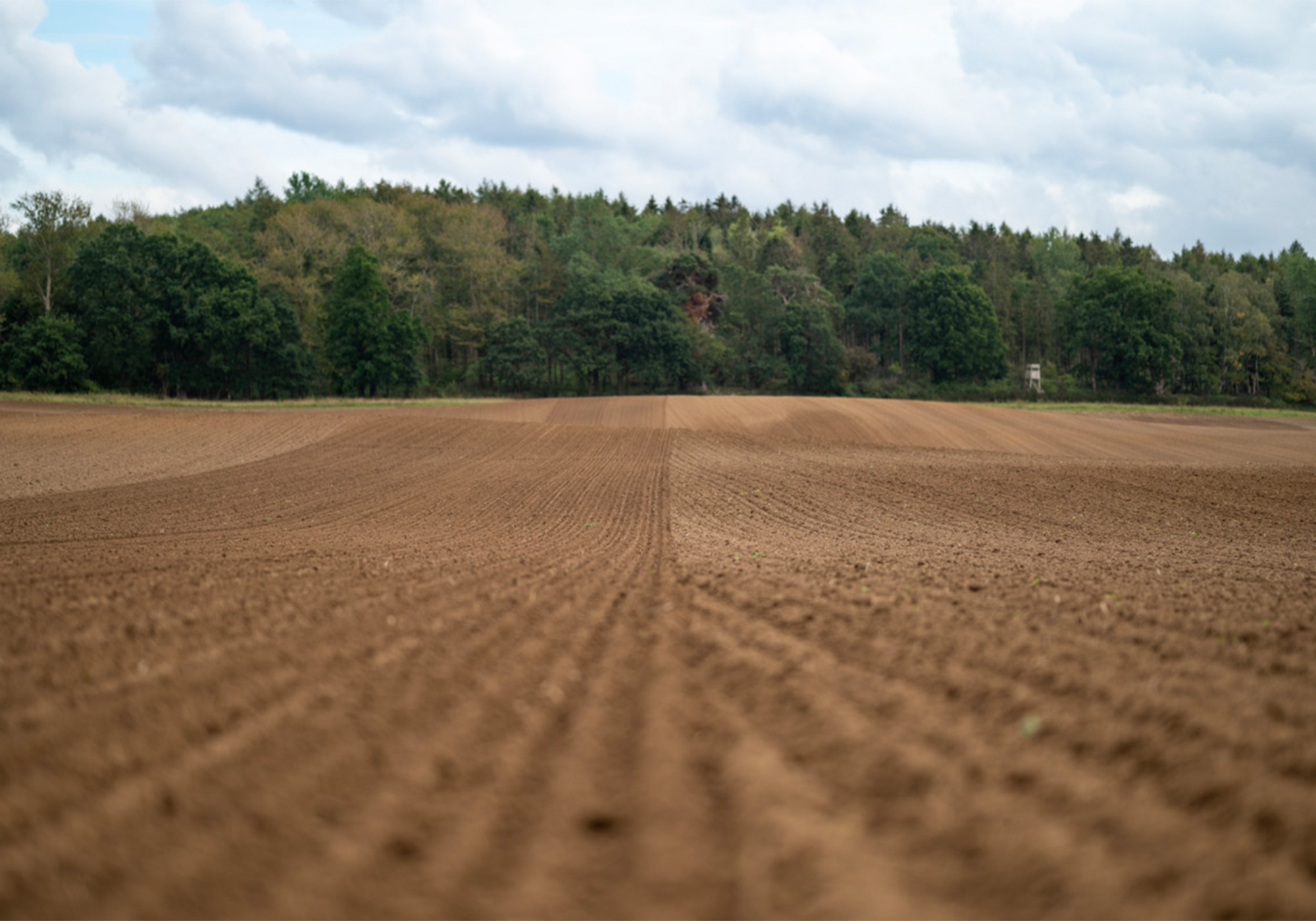
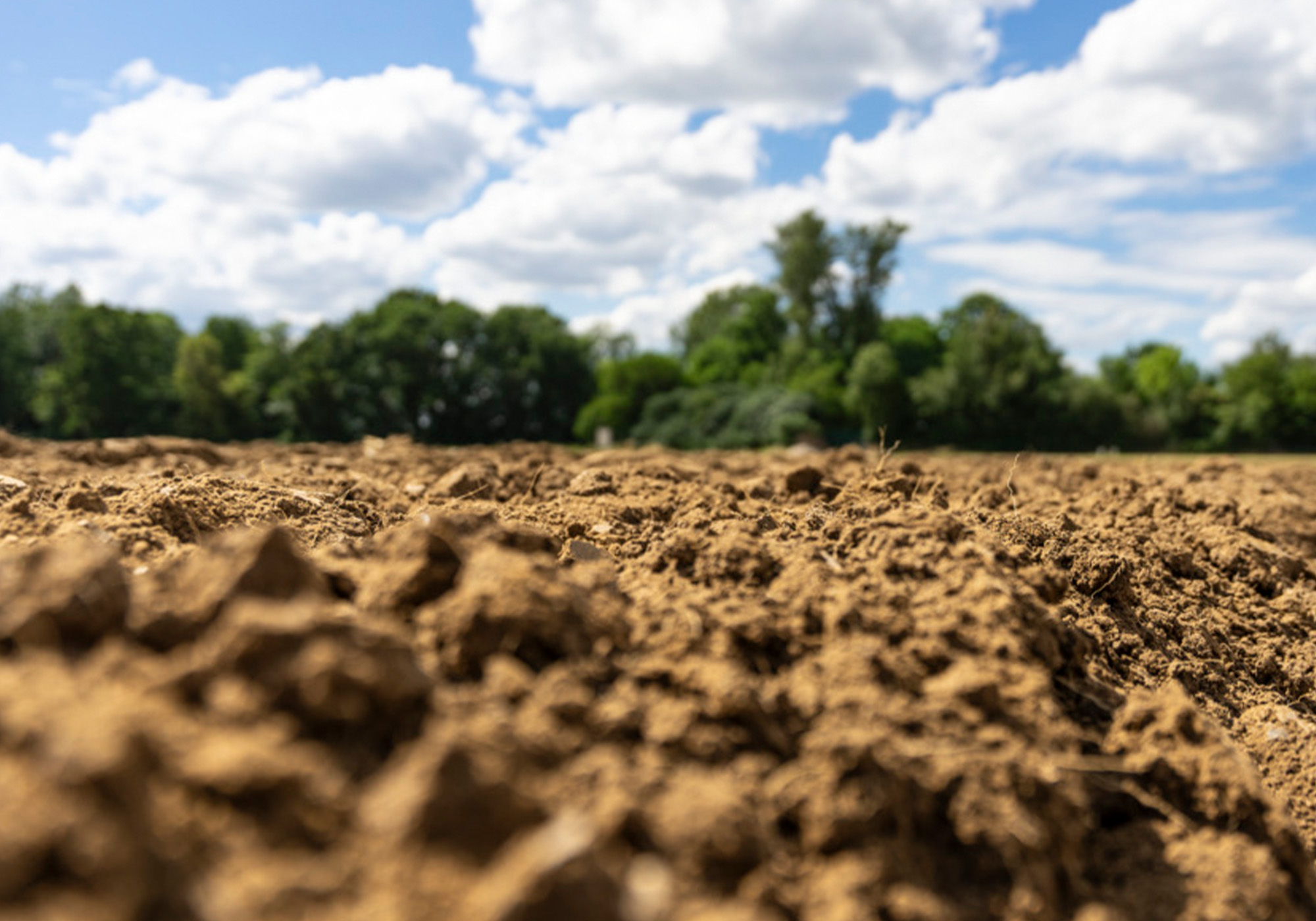
Other systems soon reach their limits, especially on sites with compaction problems, high weed burden, or phytosanitary challenges. Without mechanical loosening and crop residue management, root development can be restricted, young plant growth delayed, and the risk of disease increased. The plough, on the other hand, creates optimum conditions for the crop through deep loosening, reliable incorporation of organic matter, and the reduction of harmful organisms.
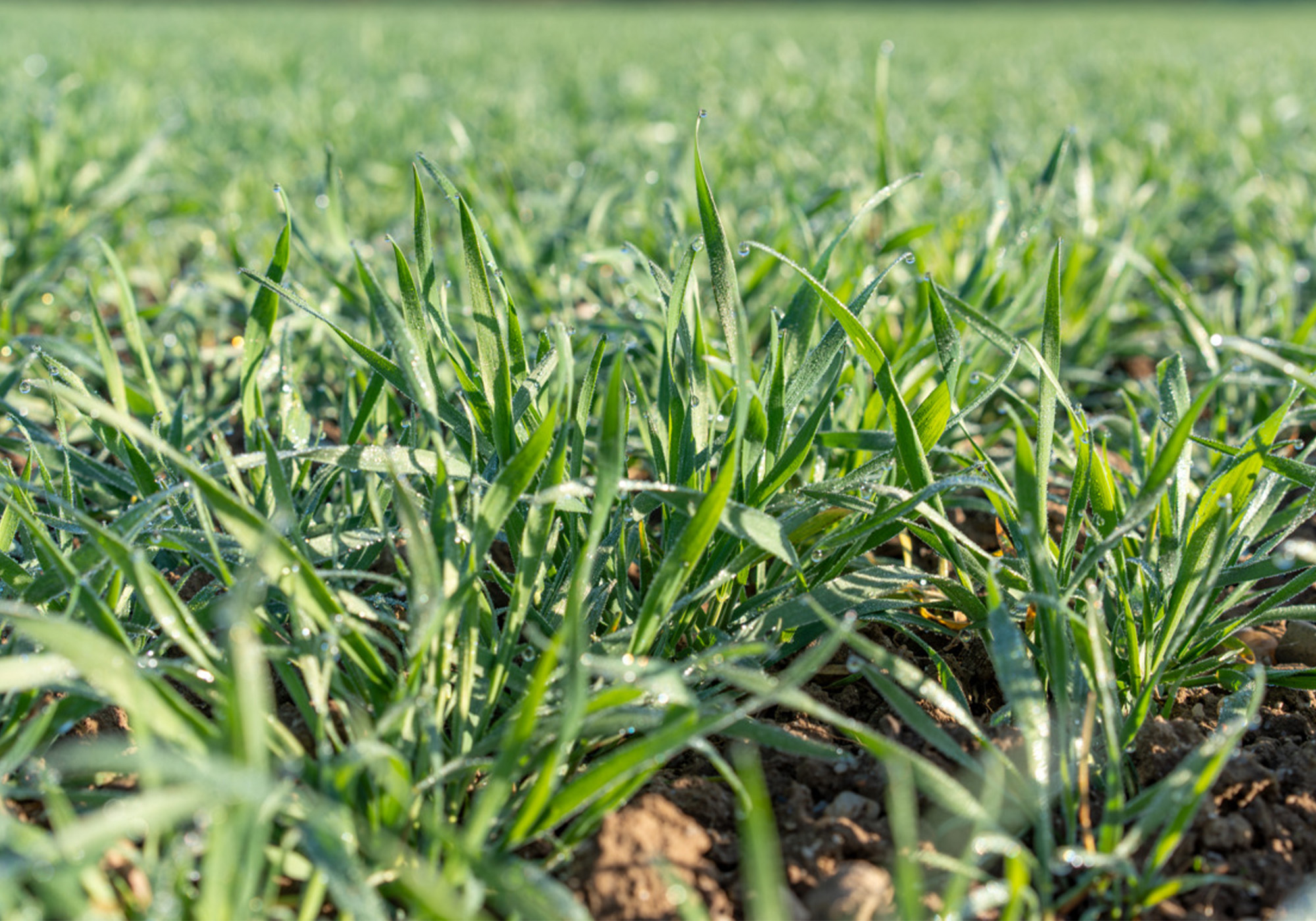
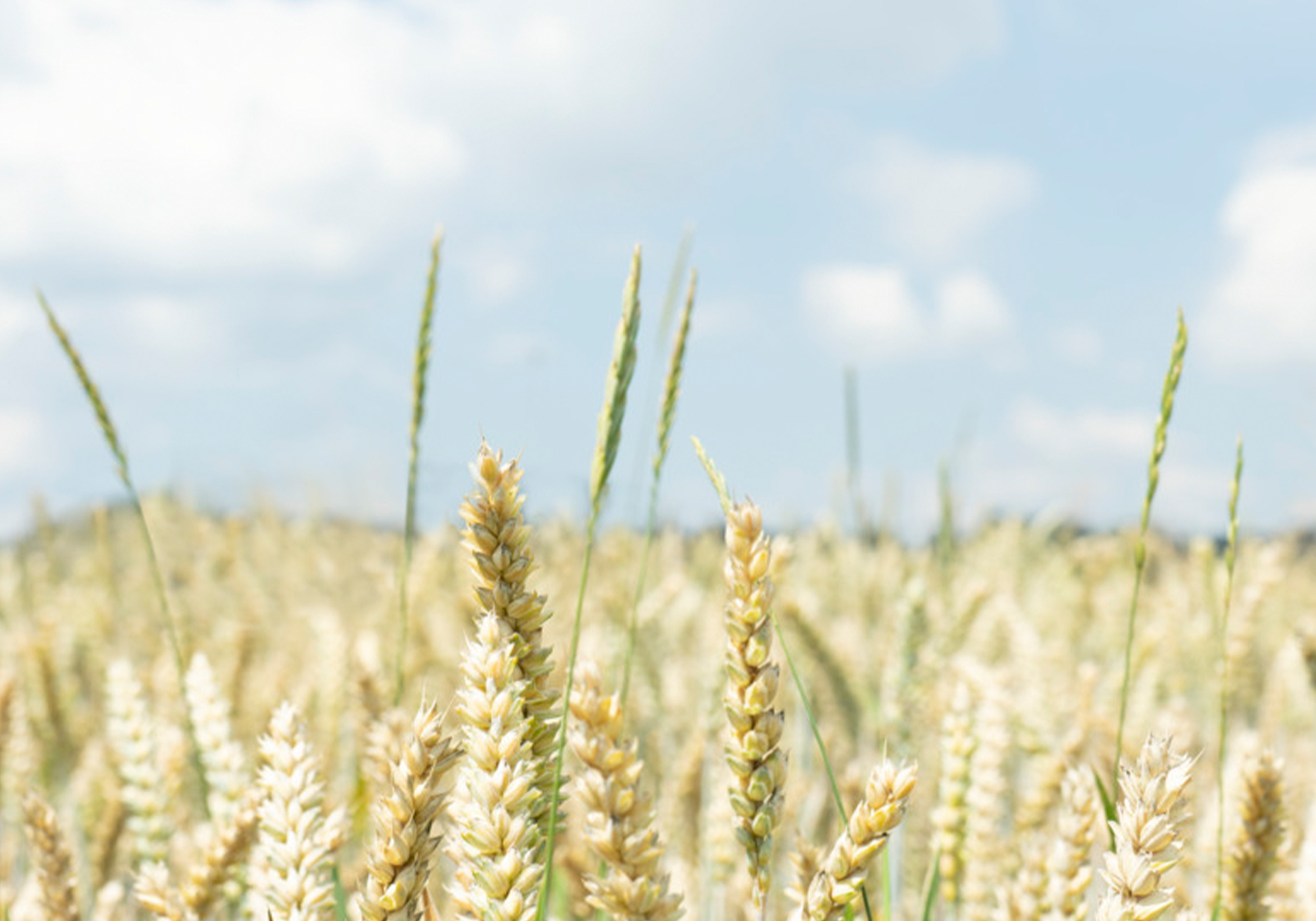
The positive influence of the plough is particularly evident in years with extreme weather conditions: It promotes gas exchange and soil warming, improves the availability of nutrients and enables plants to grow uniformly. This allows the genetic yield potential of the crop to be realised in full.
That is why the plough is not just a tillage implement, but also a strategic tool for sustainable, high-yield agriculture, especially where other systems have reached their limits.

![PÖTTINGER Newsletter [en_us]](/img/icons/Piktogramm_Newsletteranmeldung_30x30.png "PÖTTINGER Newsletter")